
The US is planning to increase tariffs on China, India, and several other countries as early as this week, citing concerns over excess industrial production that harms American companies. This move follows a US Trade Representative (USTR) investigation under Section 301 into 16 economies for alleged unfair trade practices and subsidies. India and the US are currently negotiating a bilateral trade agreement, with India seeking lower tariffs for its goods.
The highly anticipated interim trade deal between India and the United States is currently on hold, awaiting Washington's finalisation of its internal tariff framework, even as the US has assured New Delhi of a crucial comparative tariff advantage over its global competitors.

BRICS members have expressed 'serious concerns' over the unilateral imposition of trade and finance-related measures, including higher tariffs and non-tariff barriers, stating these actions distort trade and are inconsistent with WTO rules. The grouping also highlighted elevated risks to the global economic outlook due to geopolitical tensions, trade fragmentation, and protectionism.

The United States has announced a new round of trade measures against Canada, including bans on Canadian dairy, alcoholic beverages, and motorcycles, and reshuffled existing tariffs. This escalation comes after Canada imposed retaliatory tariffs on American goods. The US administration cited Canada's retaliatory actions as the trigger, contrasting it with other nations that chose negotiation over retaliation.
The United States and the European Union have strongly criticised India's trade policies at the World Trade Organization review, highlighting concerns over high tariffs, quality-control orders (QCOs), and restrictions on digital trade and services, which they argue undermine India's economic openness.

The US-Canada trade war has escalated sharply, with US President Donald Trump on Monday announcing that tariffs on Canadian cars, trucks, automotive parts and steel imports will be raised to 50 percent from January 2027, following the collapse of trade negotiations between Washington and Ottawa last week.
Experts suggest that a significant setback for US President Donald Trump in the midterm elections could compel him to pursue a swift trade agreement with India, as he seeks a quick foreign policy win amidst challenges with Russia, China, and Iran.

Trade negotiations between the United States and Canada have collapsed, leading to the US imposing 50% tariffs on nearly $28 billion worth of Canadian imports, with Canada immediately vowing to retaliate dollar-for-dollar.

'We expect the Indian delegation to flag New Delhi's worries and elaborate on its standpoint on the Russia-linked tariff as well as the Section 301 investigation into overcapacity.'

Indian benchmark indices, Sensex and Nifty, recorded their fifth consecutive day of losses, driven by investor caution over rising oil prices due to West Asia tensions and renewed concerns regarding US trade tariffs.

US President Donald Trump stated that the US and India are 'pretty close' to finalising a trade deal, which he expects to be significantly different from previous agreements. This announcement comes amidst ongoing discussions between officials from both nations, including Secretary of State Marco Rubio's visit to India and Commerce Minister Piyush Goyal's meetings with US Trade Representative Jamieson Greer, following an initial framework agreement in February.

US Secretary of State Marco Rubio is on a three-day visit to India to discuss bilateral ties in energy, trade, investment, defence, and critical technologies, as well as the West Asia crisis. His visit aims to strengthen the India-US Comprehensive Global Strategic Partnership amidst existing friction, with a focus on finalising a proposed bilateral trade deal.

While India and the US have narrowed their differences, the remaining issues will be the hardest to resolve

Navigating this geopolitical minefield requires a cold-blooded blend of immediate tactical pleading, structural domestic diversification, and aggressive collective resistance, suggests Ambassador Rajasekhar.

Finance Minister Nirmala Sitharaman stated that negotiations for the India-US trade agreement have reached a 'plateau', indicating limited scope for further concessions from either side, while also highlighting the US's aim to reduce its trade deficit with India.

US President Donald Trump has threatened the European Union with "very heavy tariffs" if he perceives their actions as hostile, specifically in response to Canada's efforts to deepen economic and strategic ties with the EU. This comes as European Commission President Ursula von der Leyen invited Canada to become the EU's first "associate member" to strengthen resilience amid global trade uncertainties and US trade policies.

China has strongly rejected a US bill that would impose tariffs on countries, including India, for purchasing Russian oil and gas. Beijing views the "Lindsey O Graham Sanctioning Russia and Iran Act 2026" as an act of "long-arm jurisdiction" and interference in its sovereign trade relations, asserting that its economic cooperation with other nations is based on equality and mutual benefit.
Analysts predict that the US midterm election results, which saw Democrats gain control of Congress, will primarily influence Indian markets through changes in global financial conditions, trade policy expectations, and geopolitical developments, with a keen focus on the US administration's actions in West Asia and their potential impact on crude oil prices.

The US announced a 60-day pause on sanctions against Russia and tariffs on other countries, including India, to analyse the global economic impact. This decision, made via an executive order by Trump, has drawn significant criticism from both Republicans and Democrats, who had previously passed the Lindsey O. Graham Sanctioning Russia and Iran Act. US officials stated the waiver allows for assessment of global energy pressures and European allies' refusal to impose secondary sanctions on Russian oil buyers.

The US House of Representatives has advanced a bill that would empower President Donald Trump to impose 100 per cent tariffs on countries, including India, that purchase oil and gas from Russia, and also extend sanctions on Iran. The legislation, which previously passed the Senate, aims to curb Russia's energy revenue amidst the Ukraine conflict.

The US House of Representatives has passed the Lindsey O Graham Sanctioning Russia and Iran Act of 2026, authorising President Trump to impose sanctions on Russia's energy sector and tariffs on countries like India and China that purchase Russian oil and gas. The legislation aims to curb Russia's ability to evade existing sanctions and reduce global dependence on its energy exports, despite some Democratic opposition to increased tariff authority for the President.

'Tariff action relating to the excess-capacity investigation will be even more susceptible to judicial overturn.'
India and the United States have reviewed progress on a proposed interim bilateral trade agreement, discussing market access, digital trade, and non-tariff barriers, as they race to finalise a deal before a temporary 10 per cent US tariff regime expires on July 24.

Marco Rubio will visit Mumbai and Jamnagar to discuss energy cooperation as S Jaishankar says India-US trade talks are nearing a landing point, with a few issues unresolved.

The US senate last week passed a bill that would allow Washington to impose tariffs on major buyers of Russian energy.

While remaining cautious of the unpredictability of a bruised Trump administration, New Delhi, and other world capitals, could go slow on the investment pledges made to stave off tariffs.
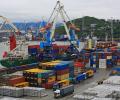
The White House has launched a major crackdown on the 'Great Transhipment Scam', accusing India and over 40 other nations of helping Chinese exporters bypass US tariffs by misrepresenting the origin of goods. The US plans to use AI-driven monitoring and anti-transhipment clauses in future trade agreements to strengthen enforcement.

A coalition of 25 Democratic-ruled US states has filed a lawsuit against the Trump administration's decision to impose new tariffs on 60 economies, including India. The states contend that these tariffs, ostensibly aimed at combating forced labour, are illegal taxes that will raise costs for consumers and businesses, and were implemented without proper legal justification.

India's leading steel manufacturers are confronting significant challenges, including elevated production costs, difficulties in securing essential raw materials, and the looming threat of increased Chinese steel imports as global trade barriers shift. They advocate for comprehensive reforms in mining and taxation, alongside improvements in logistics and domestic raw material availability, to bolster the industry's global standing.

Bentley Motors expects India to become one of its 10 largest markets globally within the next five years, driven by lower import duties under the India-UK free trade agreement (FTA) and a growing base of wealthy consumers, according to CEO Frank-Steffen Walliser.

The United States has implemented a 10 per cent tariff on goods imported from India and 16 other countries, citing efforts to combat forced labour in production.

US Secretary of State Marco Rubio kick-started a three-day visit to India on Tuesday to advance bilateral ties in energy, trade and investment, defence, critical technologies, and exchange views on the West Asia crisis.

'The contours of the trade deal need to be reworked now.'

New Zealand's envoy to India, Patrick John Rata, stated that the recently concluded Free Trade Agreement (FTA) between India and New Zealand is more than a conventional trade agreement, reflecting mutual trust and designed to deliver balanced and tangible benefits to both economies.

'Trump has weakened, not necessarily restrained.'

'If you listen to a rowdy in a class, he will keep on bullying you.' 'India can say do whatever you want. We will not compromise on anything.'
A Parliamentary Standing Committee on Commerce has urged the Indian government to swiftly conclude the proposed India-US Bilateral Trade Agreement (BTA), while ensuring India's interests are protected, recommending complete exemption for key export products like generic medicines and smartphones from future US tariff increases.

India anticipates a reduction in the United States' proposed tariffs on Indian goods under the Section 301 investigation, following New Delhi's recent notification to restrict the import of products made with forced labour.

It is plain to see that the US senate bill's real objective is to derail India's time-tested strategic partnership with Russia, points out Ambassador M K Bhadrakumar.

Chinese President Xi Jinping's arrival in Washington marks a pivotal moment for global diplomacy, as he advocates for a "partners, not rivals" approach to US-China relations amidst high-stakes discussions on trade, technology, and international stability.
